Reflexology and Massage
Foot Massage
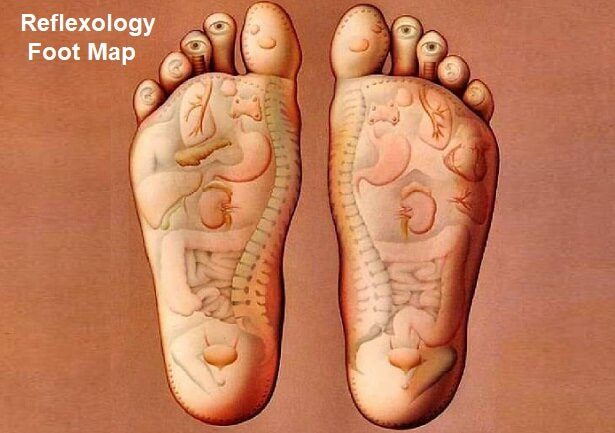
Reflexology is an ancient art of stimulating reflex points on the feet. Also known as zone therapy, it helps support the function of internal organs and bring them into a state of harmony.
The Origins of Reflexology
Rooted in Eastern traditions, reflexology dates back over 5,000 years, when Chinese practitioners created detailed maps of reflex zones on the feet and hands. It was also practised in Egypt: around 2330 BC, a depiction of a therapist massaging feet was discovered in the tomb of the renowned physician Ankhamor. In ancient China, it was observed that vital energy, or Qi, circulates through invisible channels known as meridians. Along this network are specific points where energy is concentrated. When this balance is disturbed, the flow of energy is interrupted, which can affect the organ connected to that point. By stimulating these points through massage, firmer touch, or warmth, one can restore inner balance. This practice was suppressed for a long time in Europe, re-emerging only in the mid-16th century, and becoming widely popular in America by the early 20th century. Today, it is enjoyed worldwide; in Japan, there is even a traditional foot massage break during working hours to restore energy throughout the day.
Massage Techniques
Techniques involve pressing and applying pressure to specific areas of the foot. Once a tender point is located, the tip of the thumb is placed there, firm pressure is applied and held, and the movement is focused on that sensitive area. This pressure helps halt energy depletion and encourages a sensation of warmth in the corresponding area. The technique mainly uses a thumb with a neatly trimmed nail, a bent index finger, or the knuckle of the index finger. The therapist's hands should never be colder than the client's feet. The massage begins on the right foot and finishes on the left. It traditionally starts and concludes with stimulation of the reflex zones corresponding to the kidneys, ureters, and bladder. Sensitivity in particular spots can indicate an imbalance in the associated organ, offering helpful guidance. Pressure should be firm without causing sharp pain and should not be held for too long. For persistent tension, the sensitive point may be worked daily in the first week, then two to three times a week, and eventually once a week.
The intensity of the massage depends on individual sensitivity, which is why the therapist closely monitors the client's comfort. Pressure on the reflex zones should not cause sharp pain, as that diminishes the treatment's benefits. The duration of the session depends on the client's overall condition; for those feeling exhausted, it may begin with 5 to 10 minutes, gradually extending to 15 minutes after a week.
TREATMENT AIMS
PREVENTATIVE
Maintaining general well-being and bodily balance.
ASSESSMENT
Tenderness on a specific part of the foot can highlight areas of imbalance in the body, with sharp sensitivity suggesting acute strain and a dull ache indicating chronic tension. Small grain-like textures felt beneath the skin are often associated with crystalline deposits, which can also indicate areas needing attention and care.
THERAPEUTIC
This massage is deeply relaxing and helps revitalise the entire body.
BENEFITS OF FOOT MASSAGE
- Supporting the natural balance of internal organs
- Promoting healthy blood and lymph circulation
- Enhancing overall vitality and energy levels
- Helpful in supporting overall wellness, especially for tension headaches, psychosomatic concerns, chronic fatigue, stress, low mood, respiratory discomfort, high blood pressure, circulatory issues, sports-related strain, and digestive upset.
CONTRAINDICATIONS
Reflexology is not recommended for: pregnant women, individuals with gallstones or kidney stones, those with fever, active bleeding, thrombosis, infectious illnesses, or cancer, as well as individuals with a pacemaker.
RECOMMENDATIONS
For general maintenance, visiting once or twice a month is sufficient, whereas a targeted therapeutic course is best spaced 48 hours apart. After a session, it is advisable to drink half a litre of lukewarm water to support hydration and natural cleansing.
This article is for general information and is not a substitute for medical advice. If you have health concerns, consult a doctor before a treatment.