
Autophagy: Key to a Healthy Life
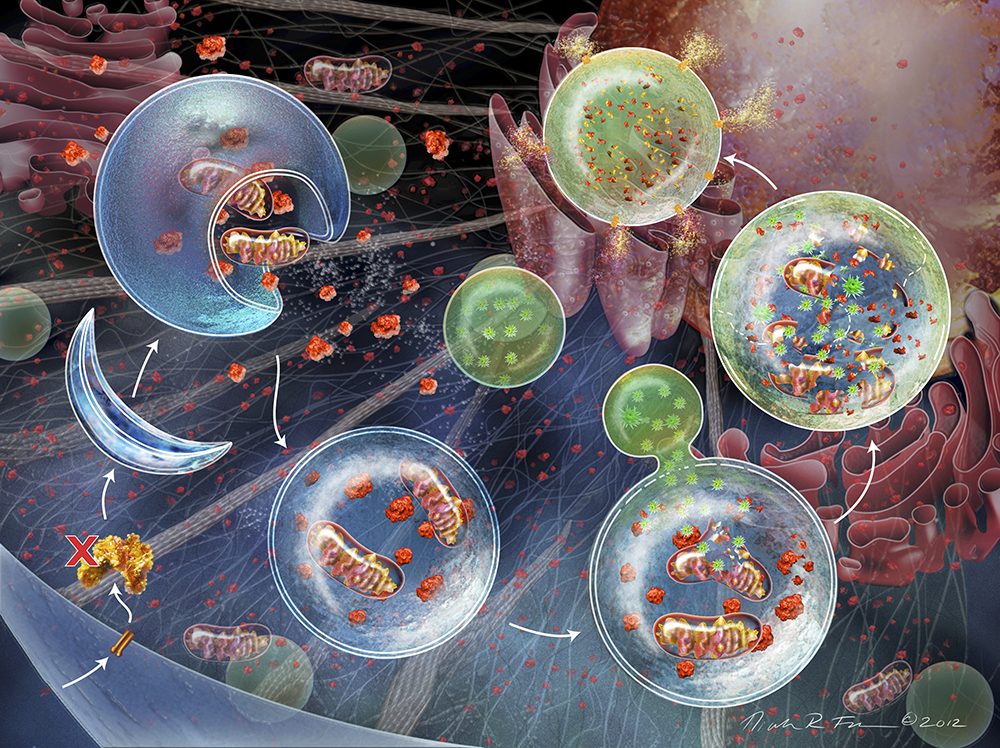
The body's natural cleansing process, in which cells break down and recycle waste products while healthy cells regenerate and renew themselves, is known as autophagy, which literally translates as "self-eating".
This remarkable metabolic process was studied by Japanese biologist Yoshinori Ohsumi, who received the Nobel Prize in 2016 for his work in this field.
During autophagy, the body naturally detoxifies, clearing away damaged proteins and cells. The body breaks down proteins for recycling and energy production. Each of us carries an innate healing mechanism that activates during fasting, a practice long observed by our ancestors. A popular eating routine involves fasting for 16 hours (drinking only water) and eating within an 8-hour window, with the final meal no later than 7:00 pm. The meals (usually 2 to 3) are moderate, rich in vegetables and salads, while sugary snacks and soft drinks are replaced with fresh fruit containing natural sugars.
Research suggests that fasting can be a powerful support for the immune system, though it should not be practised by individuals with underlying health conditions, pregnant women, or growing children. Gentle physical activity is also very important, starting with light walks and gradually moving on to jogging, cycling, or gym workouts, depending on personal preference. The potential benefits of autophagy include supporting immunity, assisting with weight management, clearing out damaged cellular components, and promoting long-term neurological health, while also helping to support skin elasticity and graceful ageing.
By fasting for longer than 12 hours, we trigger the process of autophagy, breaking down unused proteins and releasing toxins. This helps rejuvenate and restore the body, leaving us feeling revitalised and bringing positive effects on both a physical and mental level.
This article is for general information and is not a substitute for medical advice. If you have health concerns, consult a doctor before a treatment.