
Apitherapy and Bee Venom
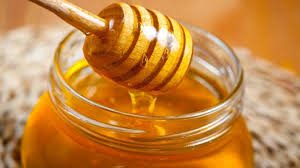
Apitherapy is the ancient practice of using bee products to support wellbeing and preserve human health. Honey, the golden elixir of vitality, was found by archaeologists inside the Egyptian pyramids beside the pharaohs, as it was believed they could enjoy its gifts in the afterlife. The true creators of this therapy are bees, and the name itself originates from the Latin word apis, meaning bee. Bee products include honey, pollen, royal jelly, bee venom (apitoxin), and beeswax.
Apitherapy is a traditional form of natural therapy belonging to complementary medicine. As early as 1959, the Russian Ministry of Health officially recognised it as an acknowledged medical discipline, and it has continued to develop ever since with remarkable results.
BEE VENOM (APITOXIN)
Bee venom is secreted from the bee's sting and is one of the most potent biological substances in nature. It contains a complex blend of around 240 active compounds that, when administered in carefully measured micro-doses, can help target underlying physical complaints and provide soothing relief from pain.
BENEFITS:
- Analgesic action (helps alleviate pain)
- Supports the immune system
- Antibacterial properties
- Beneficial influence on the heart and cardiovascular system
- Anti-inflammatory effect, supporting natural tissue repair
- Enhances circulation and dilates blood vessels (improving blood flow and oxygen supply)
- Positive influence on the endocrine system
APPLICATION
Bee venom has traditionally been used to support conditions affecting the joints and spine, including arthritis, lumbago, sciatica, multiple sclerosis, cerebral palsy, Parkinson's disease, bronchial asthma, migraines, varicose veins, thrombosis, psoriasis, eczema and other skin concerns, as well as neurological and cardiovascular complaints. For therapeutic purposes, venom may be introduced via controlled bee stings, injections, inhalation, or topical balms, always in consultation with a qualified physician. Conditions commonly treated with bee venom-based creams include rheumatic complaints, spondylosis, fibrosis, rheumatoid arthritis, joint aches, and swelling.
For physiotherapists in their daily work, bee venom ointment is an exceptional aid, working in synergy with regular bodywork and treatments for issues such as arthritis and musculoskeletal injuries like strains and sprains.
Incorporating this ointment into everyday practice also brings welcome relief to physiotherapists and massage therapists themselves, soothing hand fatigue and discomfort that naturally arise from the demanding nature of their profession.
This article is for general information and is not a substitute for medical advice. If you have health concerns, consult a doctor before a treatment.